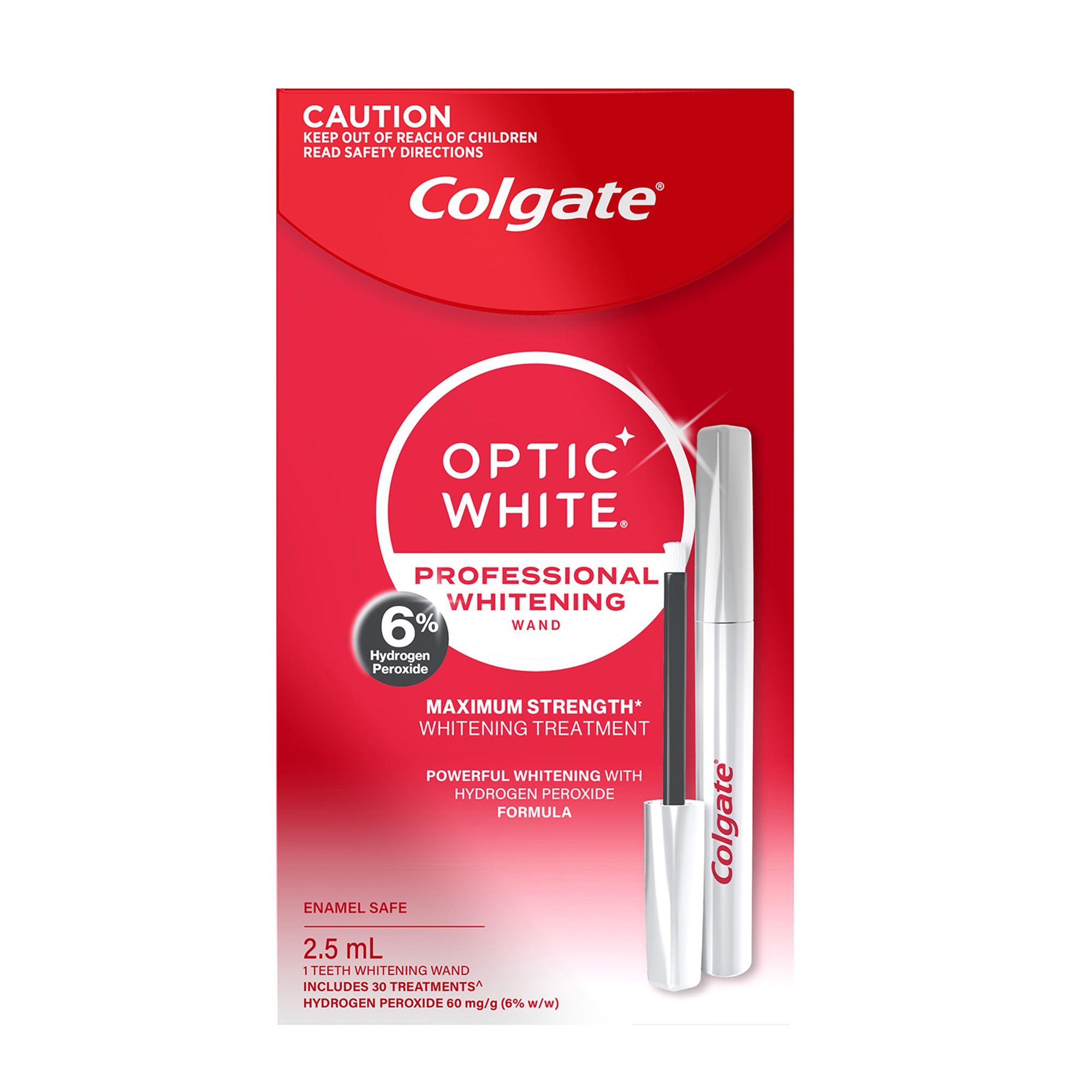
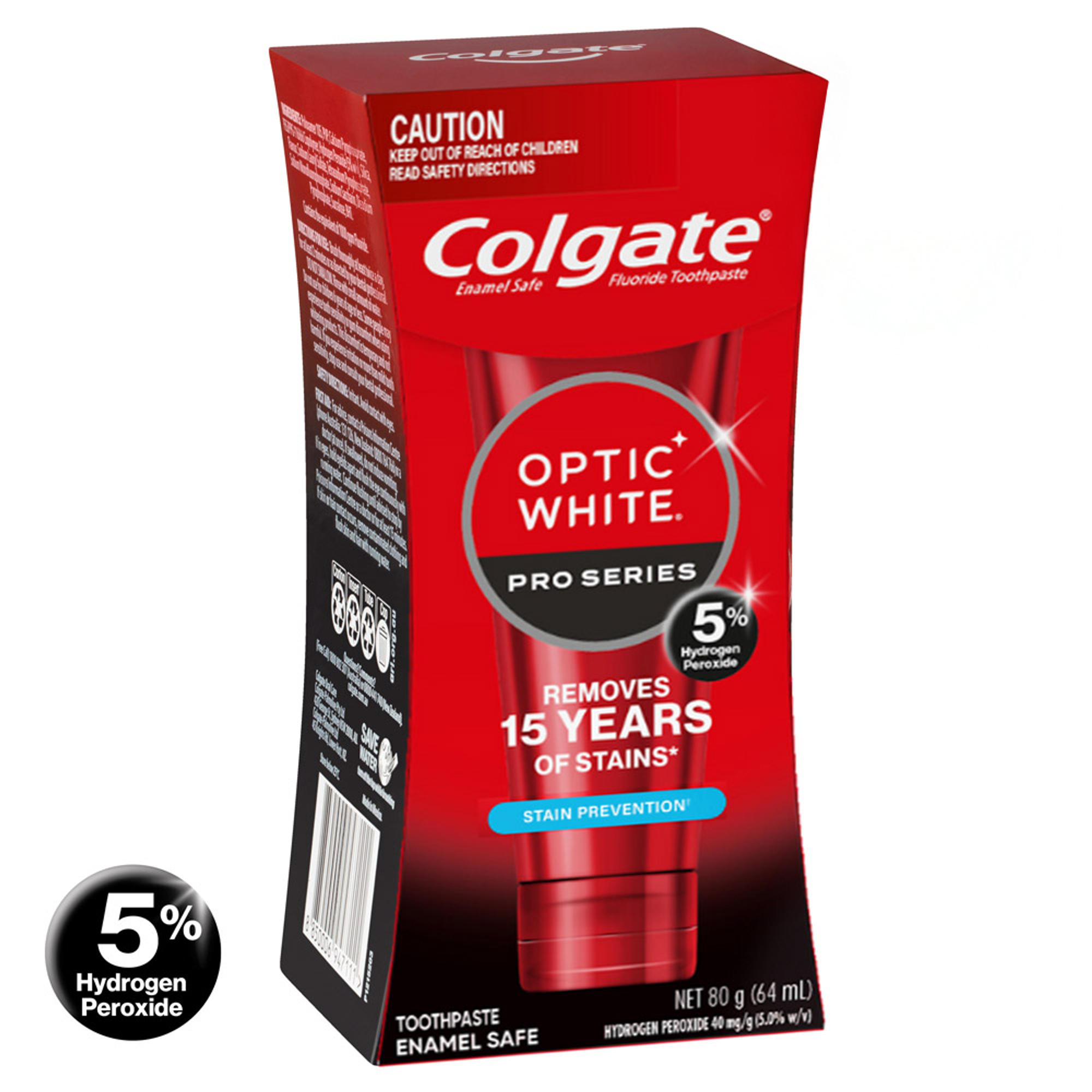
3 Simple Steps to Whiten and Protect Your Smile

Achieving a bright, confident smile doesn't have to be confusing. Whether you are dealing with daily surface stains or looking for a noticeable shade change, dental professionals recommend a combination of proper oral care, lifestyle habits, and targeted whitening treatments.

  1. Upgrade Your Daily Oral Care Routine
    Brush twice daily for two minutes using a dedicated whitening toothpaste. Look for formulas containing active whitening ingredients like Hydrogen Peroxide, which actively penetrate enamel to lift deep-set stains rather than just scrubbing the surface. Don't forget to clean between your teeth daily! Stains often build up along the edges between your teeth, making your overall smile look darker.
  2. Rinse Immediately After Staining Foods and Drinks
    Pigmented items like coffee, red wine, tea, soy sauce, and berries contain compounds that easily stick to enamel. You don't need to eliminate them completely—simply swish your mouth with water immediately after consuming them to rinse away staining residues before they settle.
  3. Schedule Regular Professional Cleans
    A professional dental scale and clean removes hardened plaque (tartar) and stubborn surface stains that regular brushing can't tackle. A clean surface is the best foundation for any whitening routine. If you want to take your results further, talk to your dentist about professional in-chair or take-home whitening treatments.

What Type of Whitening Routine Should You Use?

For mild surface staining from food and drink, a daily whitening toothpaste and oral rinse can help maintain your natural shade. For deeper or intrinsic staining, ask your dentist about professional treatments or custom take-home whitening kits that use higher concentrations of active whitening agents.

How Does Whitening Toothpaste Work?

Whitening toothpastes generally work in two ways:

  • Gentle Abrasives: Gently polish away outer surface stains caused by food and beverage intake.
  • Active Hydrogen Peroxide: Safely oxidizes organic compounds trapped below the enamel surface to reveal a lighter shade.


6/11/2026


This article is intended to promote understanding of and knowledge about general oral health topics. It is not intended to be a substitute for professional advice, diagnosis or treatment. Always seek the advice of your dentist or other qualified healthcare provider with any questions you may have regarding a medical condition or treatment.