How to Whiten Teeth: A Guide to Methods, Safety and Vitamin C
minute read


For the fastest, most dramatic results, in-office whitening is the gold standard and consistently rated the most effective teeth whitening option. Your dental professional applies a concentrated whitening gel directly to your teeth, often delivering visibly whiter results in just one appointment. Because the strength is higher, an initial consultation is required to confirm eligibility. You may be advised to use a desensitising toothpaste before and after, and to follow up with at-home whitening to maintain your shade.
● Pros: Fastest results, supervised, customised
● Cons: Higher cost, may cause temporary sensitivity
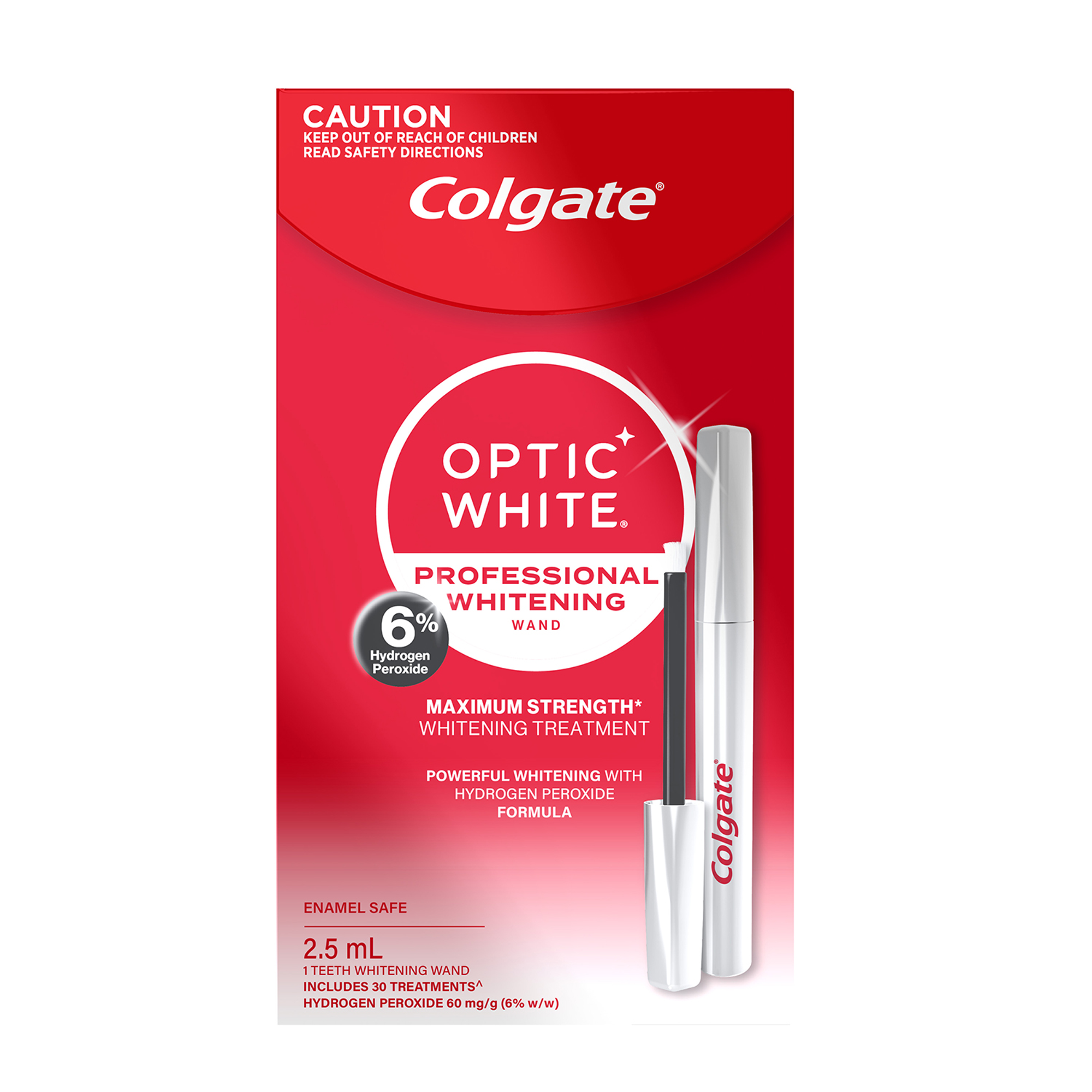
Teeth whitening at home offers excellent convenience at a lower price point, which is why it's so often searched as the best at home teeth whitening approach. Custom tray kits use a milder whitening gel or serum worn for around 30 minutes each day or overnight, depending on the system, until you reach your desired shade, usually over 10-14 days. Over-the-counter strips are another popular option, applied directly to teeth for about an hour daily. Strips work best on straight teeth, since the plastic must contact the entire tooth surface evenly. Like in-office treatments, at-home whitening may benefit from a desensitising toothpaste.
● Pros: Affordable, convenient, gradual control
● Cons: Slower results, sensitivity possible, require compliance
Most custom tray kits show visible results in around 2 weeks of daily use, while strips and toothpaste typically take 4 to 6 weeks.
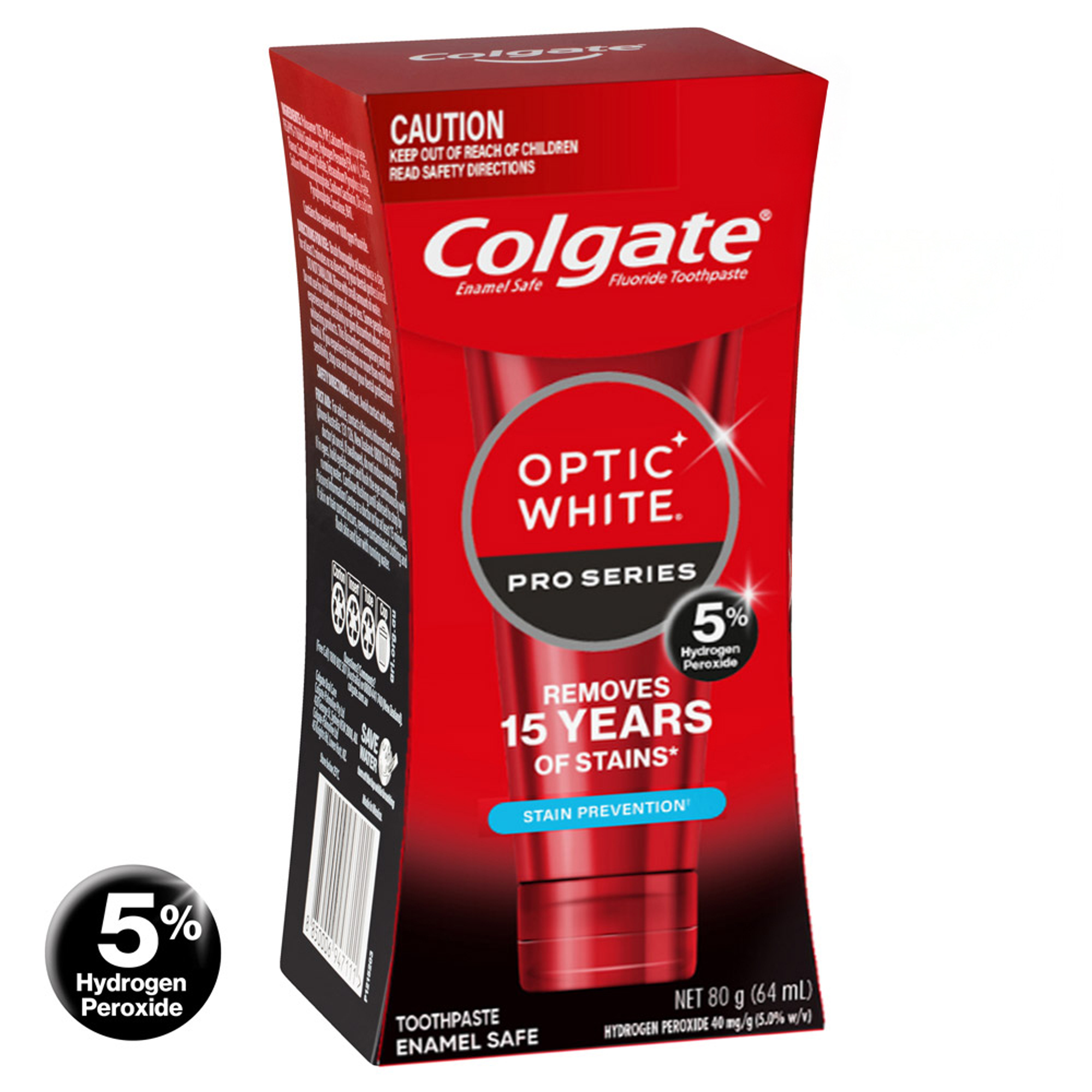
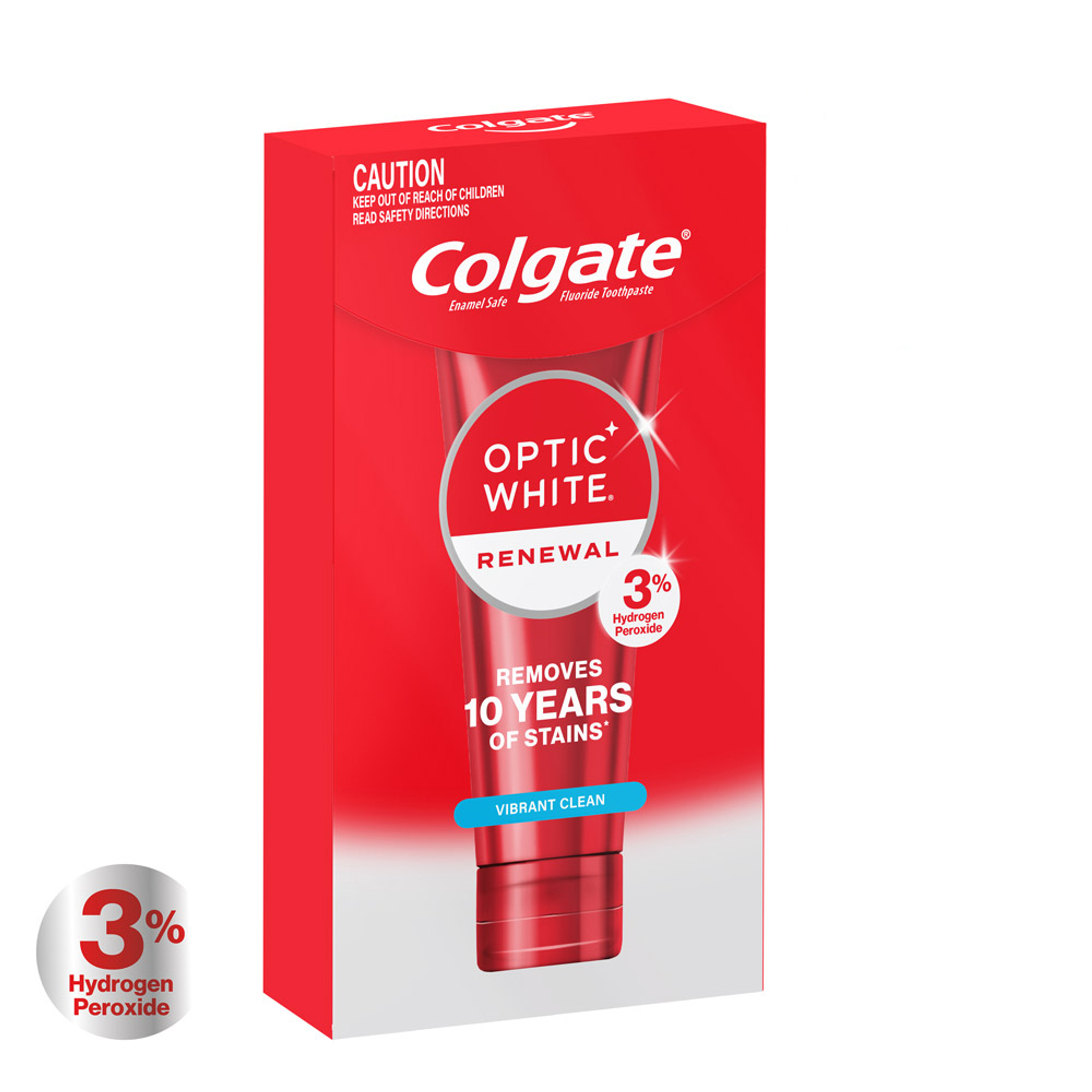
For an effortless, low-cost option, teeth whitening toothpaste fits seamlessly into your daily routine. Brushing twice a day with a formulation like Colgate Optic White lifts surface stains for everyday foods and drinks while you clean, with visible results in as little as one week when used as directed. It's a great choice for someone looking to kick-start their whitening, or to keep stains at bay or if you are looking at maintaining results after professional or at-home treatments.
● Pros: Convenient, budget-friendly, part of your everyday oral hygiene regime
● Cons: Surface stains only
Vitamin C is great as an active ingredient to use to target surface stains, and breaking them down so your teeth appear brighter.
A vitamin C toothpaste sits alongside in-office and at-home methods as a gentle, daily-use option. Rather than replacing professional treatments, vitamin C teeth whitening complements them, helping maintain brightness between appointments. See the comparison table below for time, cost and sensitivity at a glance.
Compared with traditional whitening toothpaste, vitamin C formulas tend to be gentler, with a low sensitivity profile suited to daily use. Visible results typically appear over 4 to 6 weeks. Both lift surface stains from coffee, tea and food, but neither penetrates deep intrinsic discolouration the way peroxide-based treatments do.
Yes, vitamin C helps break down surface stains for visibly brighter teeth with consistent daily use, though deeper stains still respond best to peroxide-based methods.
The safest teeth whitening method is one performed under dental supervision, using the lowest effective peroxide concentration for your needs. For sensitive smiles, vitamin C toothpaste and low-strength at-home kits paired with a desensitising toothpaste deliver effective whitening whilst reducing sensitivity.
Yes, using a desensitising toothpaste before and after, and choosing lower-strength peroxide or vitamin C options, makes whitening safe for most sensitive smiles. However, if you have on-going sensitivity, it is always best to consult your dental professional to get to the root cause.
| Method | Time to Results | Approx. Cost (AUD) | Sensitivity Risk |
|---|---|---|---|
| In-Office Whitening | 1 appointment | $600 – $1,500+ | Moderate |
| At-Home Tray Kits | 1 – 2 weeks | $100 – $400 | Low to moderate |
| Traditional Whitening Toothpaste | 4 – 6 weeks | $5 – $15 | Low |
| Vitamin C Toothpaste | 4 – 6 weeks | $5 – $15 | Very low, gentle daily use |
| LED Whitening Devices | 1 – 2 weeks | $80 – $300 | Low to moderate |
This article is intended to promote understanding of and knowledge about general oral health topics. It is not intended to be a substitute for professional advice, diagnosis or treatment. Always seek the advice of your dentist or other qualified healthcare provider with any questions you may have regarding a medical condition or treatment.