Bleeding Gums During Pregnancy: Causes, Symptoms & Safe Treatment
minute read


You might be a little surprised to see a bit of blood on your toothbrush or floss, but according to the Australian Dental Association, it can be expected while pregnant. Due to hormonal changes at this time, some women develop gum sensitivity and bleeding. You need to address the condition but you can be assured that after the baby is born things will largely return to normal.
You should take steps to control the bleeding from your gums as it is caused by plaque that is not being removed. Proper oral care during pregnancy is vital for both your and your baby’s health.
A pregnant woman may notice rapid changes in the body. While some are predictable, others can be surprising, such as bleeding gums. A tint of blood on your toothbrush or floss often indicates that your gums need extra care. Having bleeding gums during pregnancy is common, and it usually resolves once the baby is born. However, addressing it early on is vital to rule out any underlying issue.
Read on to learn the symptoms and causes of pregnancy-related gum problems and get tips to protect your healthy smile.
Sore, swollen gums that bleed easily are often a sign of gum irritation caused by bacteria in the plaque. Plaque is a sticky bacteria filled film on the teeth. However, many women notice these symptoms during pregnancy. It occurs due to a higher level of hormones estrogen and progesterone. The hormones increase the blood flow to the gums, making the gums more sensitive and easily irritated by bacteria. This inturn results in gum swelling and soreness.
Gums sore pregnancy symptoms often show up in the second trimester. This necessitates proper oral care during pregnancy. Regular brushing and flossing are key. Rising with an alcohol-free mouthwash can be an extra step if your dentist recommends it. However, it should not replace brushing and flossing. If your gums hurt or if the soreness persists, consult a dentist for proper care.
Pregnancy bleeding gums are often linked to changes in hormone levels and oral care habits. Poor oral hygiene and plaque buildup can make it worse. While hormonal changes make gums sensitive, even a small amount of plaque can irritate and make them swollen and likely to bleed. Besides, some nutritional deficiencies can also make your gums weak and sensitive.
Knowing the common causes of bleeding gums during pregnancy can help you take better care of your mouth. These include:
Hormonal Changes: They increase blood flow to the gums, making them highly sensitive to bacteria in the plaque. The gums get easily irritated, swollen, and tend to bleed.
Swollen or Tender Gums: Inflamed gums may appear red and feel tender. They bleed easily when you brush or floss.
Plaque Build-up: Plaque is a sticky film of food debris and bacteria. If not removed daily, it builds up along the gumline and hardens to tartar, which requires professional cleaning. Plaque and tartar deposits irritate the sensitive gums and make them prone to bleeding.
Poor Oral Care: Frequent vomiting, nausea, or tiredness may result in inconsistent oral care habits. This allows plaque to build up and irritate the gums, making them swell and bleed.
Bleeding gums during pregnancy are often linked to gum infection and irritation, known as pregnancy gingivitis. Gum bleeding is only an early sign and is usually accompanied by other symptoms. These are common in pregnant women, hormonal changes in the gum and potential changes to the dental care routine. Spotting the early signs can help you act on time and prevent more serious gum problems.
Gingivitis is the inflammation of the gums caused by build up of plaque. It is a mild form of gum disease. Pregnancy gingivitis occurs when hormone changes make the gums more sensitive. They are easily irritated by bacteria in plaque. This leads to swelling, soreness and bleeding. Good oral care habits and professional care can help prevent it from worsening.
Swollen gums pregnancy changes are common in women, but not to be ignored. Spotting and addressing them on time can protect your oral health and avoid serious gum problems. You may watch out for the following signs:
Red, swollen or puffy gums
Tenderness along the gum line
Bleeding gums during brushing or flossing
Gums that look shiny or feel soft
Persistent bad breath
If these symptoms persist and do not improve with good dental care, consulting a dental professional is essential.
Just like sore or bleeding gums, a toothache during pregnancy can feel troublesome. Many people link it to gum swelling or soreness. But sometimes, the reason can be beyond your gums. It may indicate deeper dental problems, such as tooth decay. Knowing the difference is vital to seek timely professional care to protect your oral and overall health.
Consult a dentist if you notice the following signs:
Severe, throbbing and persistent toothache
Visible, large dental cavities
Broken, cracked or damaged tooth
Swelling of the gums or face
Pus and a bad taste in the mouth
Persistent bad breath
Toothpain accompanied by fever (a sign of infection)
During pregnancy, your teeth can hurt for various reasons. Discomfort and sensitivity of the gums caused by hormone changes may feel like a toothpain. However, issues inside a tooth or around it can result in persistent pain and other symptoms. The common causes of toothache during pregnancy include:
Tooth Decay: Frequent snacking on sugary foods and drinks due to cravings promotes tooth decay. The residues feed harmful bacteria that release acids that decay the tooth enamel. It leads to painful dental cavities amidst poor oral care.
Enamel Erosion: Vomiting or morning sickness and stomach acid reflux expose teeth to acids. They erode the tooth enamel and weaken it, leading to sensitivity and pain.
Gum Infection: If sore gum pregnancy signs are ignored, they may progress into a more serious infection or periodontal disease. It affects the deeper gum tissues and supporting structures of teeth, leading to painful abscesses, loose teeth or tooth loss.
Pregnancy Gingivitis: The hormonal changes in the gums can make the gums sensitive, inflamed and sore. This may often feel like a dull pain around the teeth.
Painful Gum Swellings: Sometimes, during the second trimester, swellings can appear on the gums between teeth. These are known as Pyogenic Granulomas or Pregnancy Tumors. Though harmless, they can result in pain and bleeding gums during pregnancy.
Existing Dental Issues: Old fillings, cracks in teeth, and impacted wisdom teeth may hurt more during pregnancy.
If your gum discomfort persists, consulting a dentist is important. Timely care can protect your dental health and prevent complications for you and your baby. Pregnancy gingivitis treatment focuses on early action and gentle care. Paired with good oral hygiene, it can help manage sore, swollen and bleeding gums. It includes:
Dental Cleaning: Professional cleaning removes plaque and tartar missed by your daily routine. Regular cleaning is essential to treat pregnancy gingivitis symptoms effectively.
Medical Intervention: Dental treatment is crucial for severe pregnancy gingivitis, tooth decay or infection. It provides relief and prevents the issue from worsening. A dentist examines your mouth and may use dental X-rays with safety measures to suggest the right treatment.
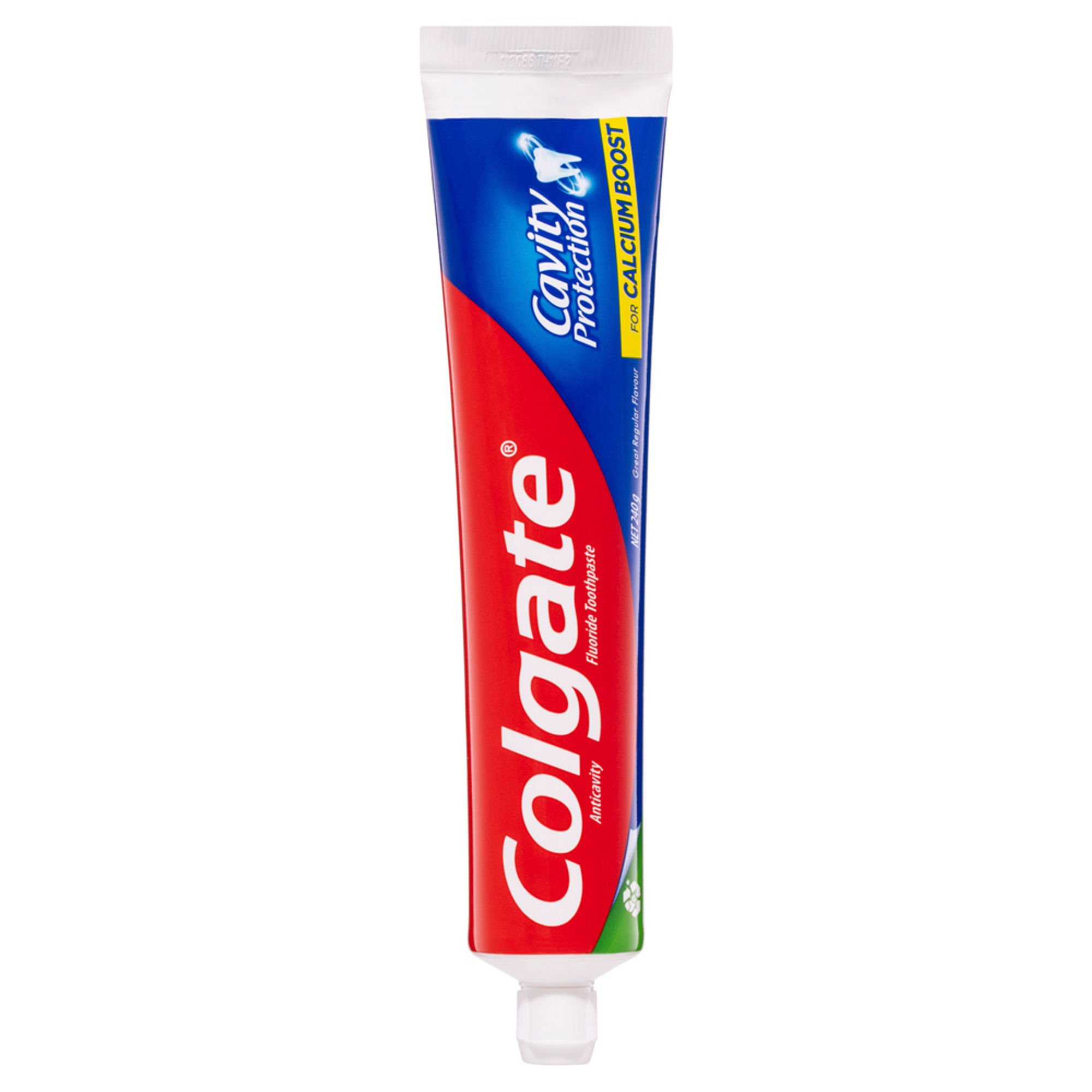
Enhanced Oral Hygiene at Home: Brush twice daily to remove plaque from teeth. Dentistry recommends using a fluoride toothpaste. A soft-bristled toothbrush cleans teeth and gums gently. Floss once daily to remove plaque hidden between teeth and under the gumline. Rinse your mouth with water after morning sickness to reduce acids.
A gum-care toothpaste with fluoride, such as Colgate Total Sensitivity + Gum Health Original, can help. It protects against sensitivity and gingivitis and fights harmful bacteria in the mouth. Using it regularly as directed can support healthy gums.
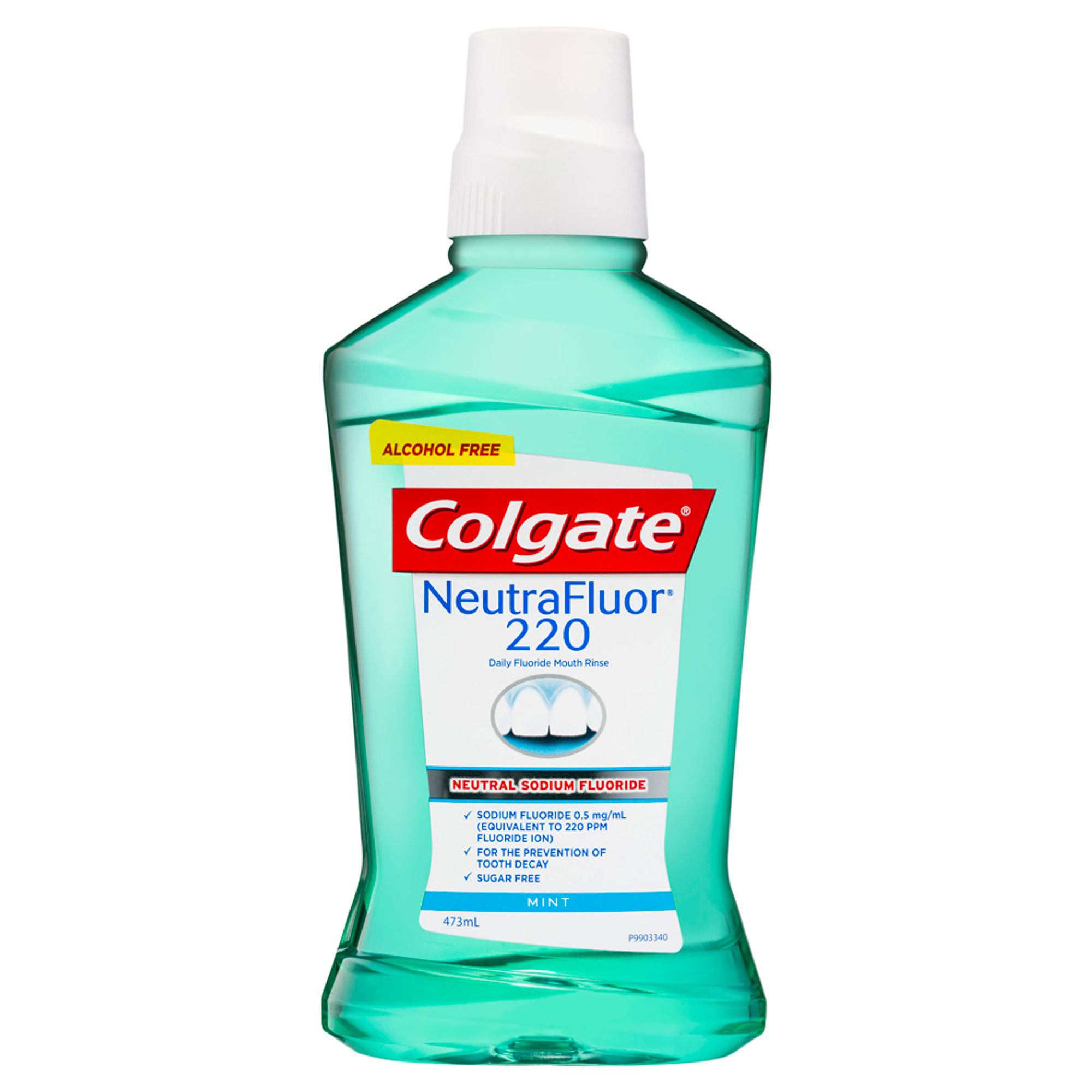
Antibacterial Mouthwash: A dentist may suggest an alcohol-free antibacterial mouthwash. It helps control bacteria and manage gum infection. Using it as directed, together with regular brushing and flossing, is key.
Dietary Considerations: Cut down on sugary snacks and drinks. Rinse your mouth thoroughly with water after every meal or snack. Eat a healthy, balanced diet including fruits, vegetables and whole grains as directed by your healthcare provider. Drink plenty of water to support a clean and healthy oral environment.
You may be tempted by home remedies to manage swollen or bleeding gums during pregnancy. However, not all remedies are safe and scientifically proven. Seeking professional help is the best. You may consider the following tips to manage discomfort until a dental check-up:
Warm Saline Rinse: Mixing a teaspoon of salt in warm water and rinsing well before spitting it out is considered effective as a short time measure by many oral health experts. It helps soothe the sore gums while the antibacterial properties of salt can fight germs.
Cold Compress: Applying a cold compress or ice pack to the outer cheek of the affected area can ease the discomfort temporarily. The cold helps reduce blood flow and numb the pain temporarily.
Using any pain relief medications or gels requires prior consultation with your healthcare provider to ensure safety.
Preventing pregnancy bleeding gums boils down to a strong oral care routine. Daily brushing and flossing are key. A dentist-recommended mouthwash can offer extra support. Regular dental check-ups and cleanings are essential. Taking early steps can prevent plaque buildup and infections and protect your oral health during pregnancy. These include:
Dental Visits: Schedule regular check-ups and cleanings before and during pregnancy. Gagging and vomiting are more common during the first trimester. However, they subside towards the second trimester, which many women find comfortable. You may schedule regular dental check-ups throughout pregnancy, even in the third trimester.
Communicating with Your Dentist: Inform your dentist that you are pregnant. This is important for them to suggest safe treatments and medication, and offer proper advice.
Maintaining Consistent Oral Care: Brush twice daily with fluoride toothpaste. Floss once every day. Rinse with water after meals or morning sickness to reduce acid buildup in the mouth. Use an alcohol-free mouthwash suggested by your dentist.
Nutritional Support: Eat a balanced diet rich in nutrients like calcium to support strong teeth and healthy gums. Talk to your dentist or healthcare provider to know about foods that can support oral health during pregnancy.
Bleeding gums during pregnancy is common, but should not be overlooked. Hormonal changes during pregnancy make your gums more sensitive to soreness, swelling and bleeding.. Good oral hygiene and early treatment can prevent minor problems from worsening. Daily oral care at home, smart dietary choices and regular dental check-ups are key.
Oral health is also linked to overall pregnancy health. Healthy teeth and gums can support overall well-being, which is vital for you and your baby. Being mindful of prenatal dental care and the link between oral health and pregnancy outcomes can help.
Brush gently using a soft toothbrush and a fluoride toothpaste. Floss once daily. Rinse with water after morning sickness. Visit a dental professional if your symptoms persist.
Deficiency of nutrients such as vitamins C, B12, and K and minerals like iron, can make the gums weak. It may worsen bleeding gums in pregnancy period. A balanced, nutritious diet can help.
Yes, it is common. Hormone changes during pregnancy can make gums sensitive and prone to swelling and bleeding. However, addressing it on time with the help of a dentist is vital to prevent complications.
This article is intended to promote understanding of and knowledge about general oral health topics. It is not intended to be a substitute for professional advice, diagnosis or treatment. Always seek the advice of your dentist or other qualified healthcare provider with any questions you may have regarding a medical condition or treatment.