Best At-Home Teeth Whitening Methods: Options, Safety and Vitamin C
minute read


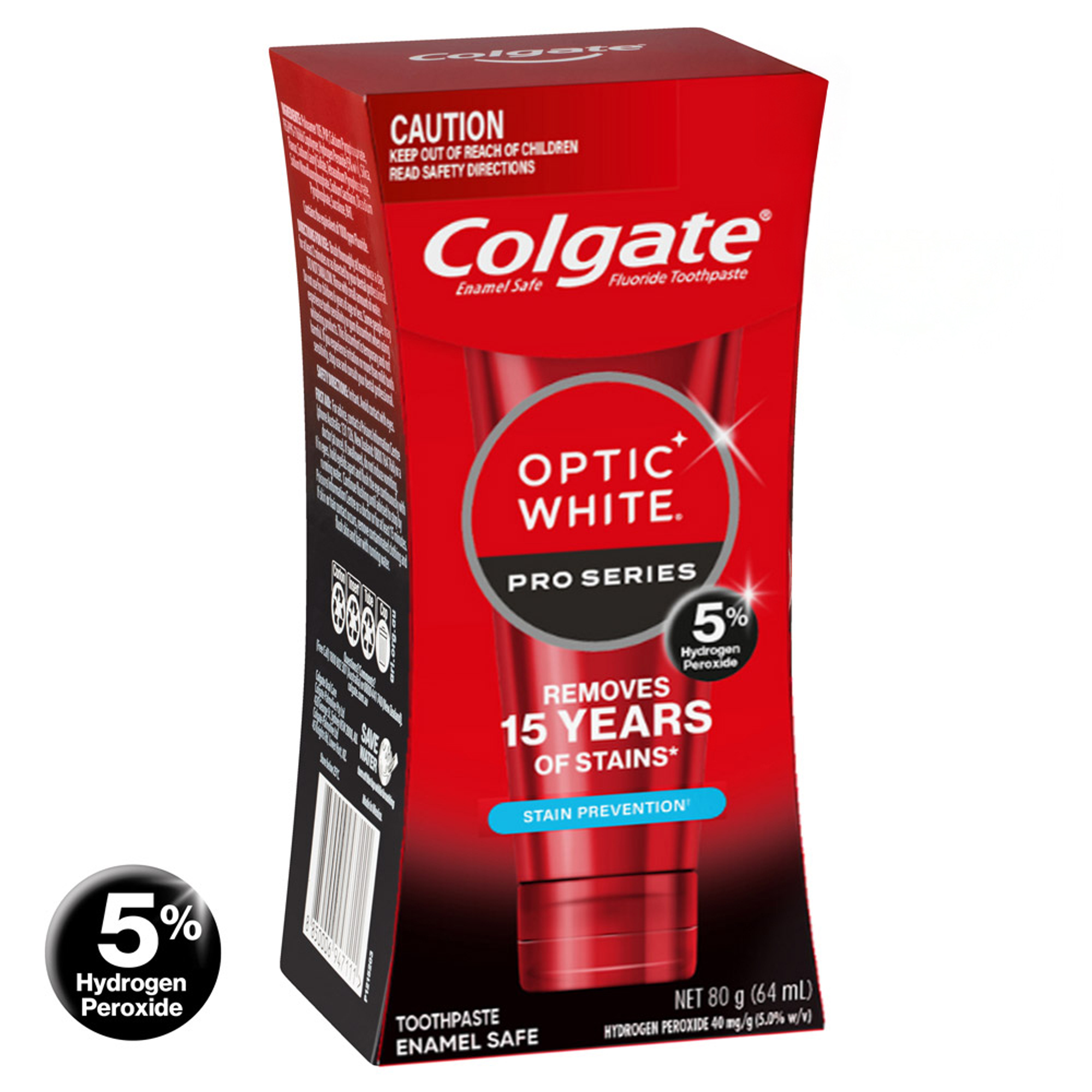
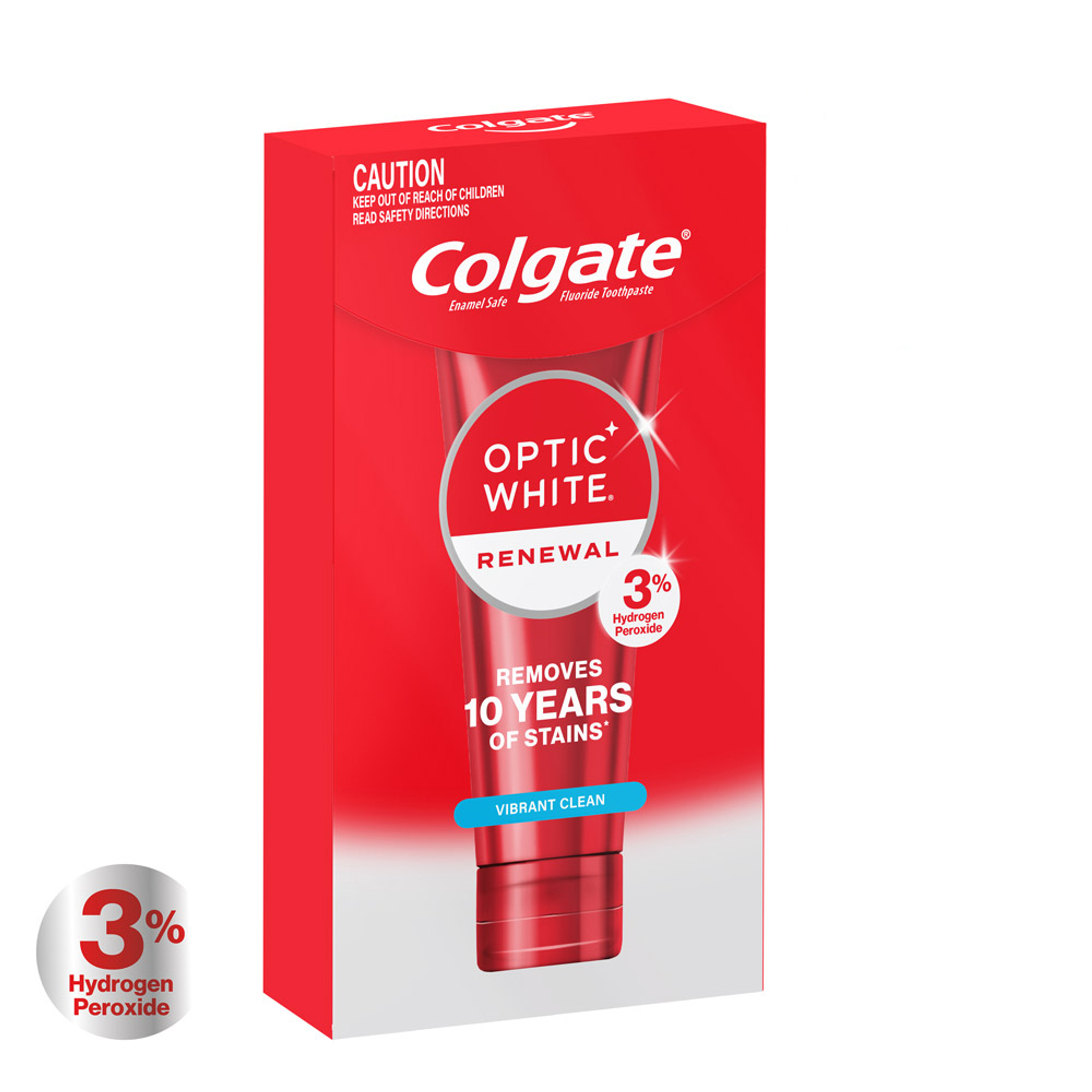
Whitening toothpaste fits easily into your normal brushing routine and is a gentle daily option for surface stains. A product like Colgate Optic White can support that kind of everyday routine. It is usually the most convenient choice, but it is also the slowest, so it works best for maintenance and lighter staining.
Pros: Easy to use, budget-friendly, gentle
Cons: Slower results, best for surface stains
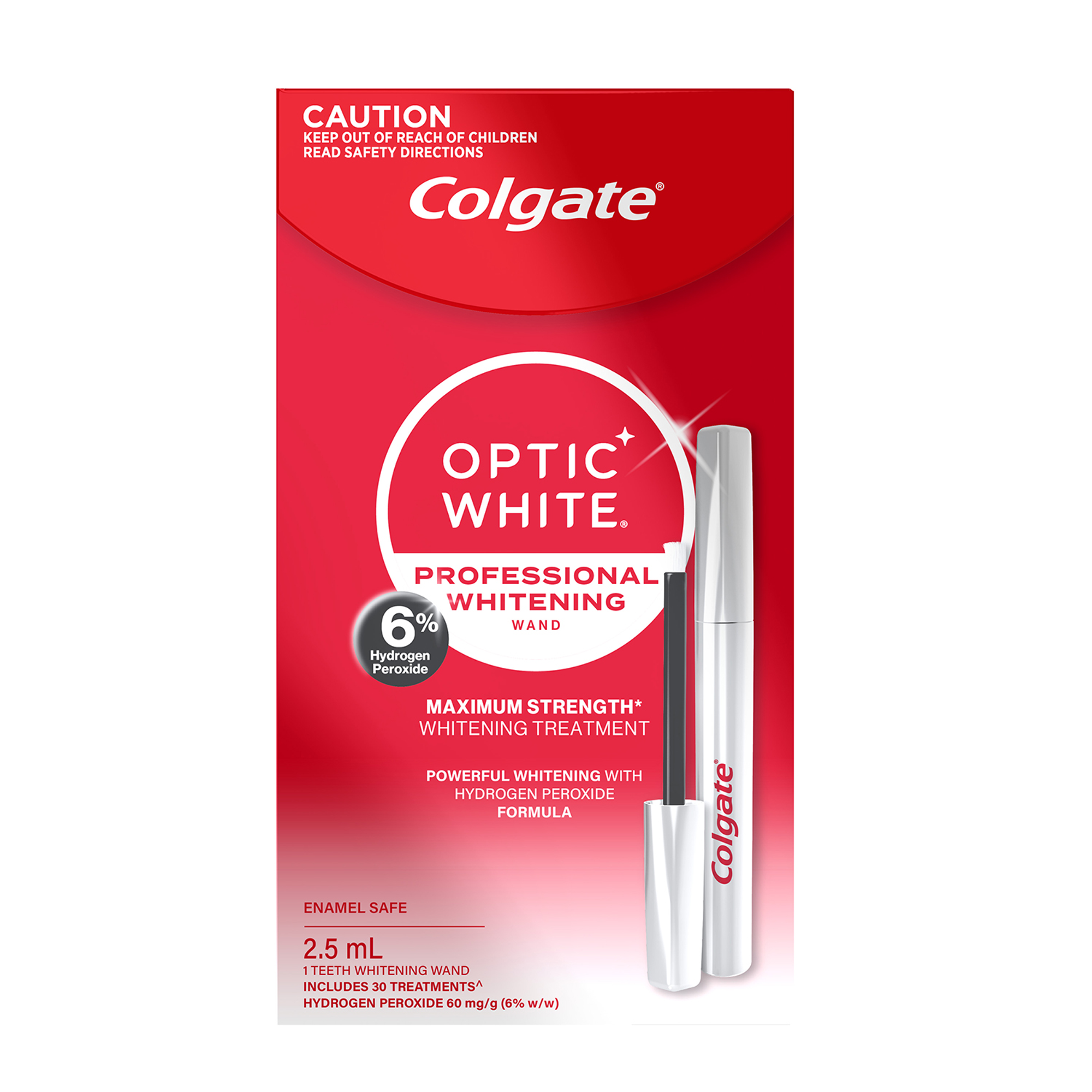
Whitening strips and tray kits use peroxide-based gels to target stains more directly. Strips are applied straight to the teeth, while tray kits hold the gel in place for a set time each day. These options can bring faster visible change than toothpaste, but they may feel more intensive for some people.
Pros: Stronger at-home option, more noticeable results
Cons: Requires more steps and more time each day, sensitivity may be a concern
Tray kits can show visible results in 1 to 2 weeks, while strips and toothpaste usually take 4 to 6 weeks.
LED whitening devices are another at-home option and are typically used with whitening gels or serums. They can add structure to a routine that already includes daily brushing, and Colgate Optic White FlexLight LED Teeth Whitening Kit is a product example to reference. The best option still depends on your whitening goal and how you prefer to use it.
Vitamin C provides a benefit in oral health as it does in skincare - in everyday oral care, Vitamin C helps to support both brighter teeth and healthier gums. In toothpaste, it is part of a broader daily routine that helps people look after their teeth while also exploring a brighter smile. That is why Vitamin C for teeth is becoming a familiar ingredient in everyday routines.
Compared to traditional whitening toothpaste, vitamin C toothpaste and vitamin C whitening toothpaste are positioned as gentle daily-use options. They can help brighten with consistent use, but they are not a replacement for stronger at-home or professional whitening when you want a bigger change. In that sense, vitamin C teeth whitening is best seen as part of an everyday routine.
It can help lift surface stains and brighten the smile with daily use, but deeper discolouration usually needs a stronger method.
To help your results last, brush twice daily with fluoride toothpaste, limit staining foods and drinks such as wine, tea, coffee and tomato sauce. Keep up with regular dental check-ups. For longer-term advice, see how to maintain white teeth.
| Method | Time to Results | Approx. Cost (AUD) | Sensitivity Risk | Dental Supervision |
|---|---|---|---|---|
| Whitening Toothpaste (Daily) | Slow and steady | Low | Low | Can be recommended as part of your oral hygiene regime |
| Vitamin C Toothpaste | Gradual with daily use | Low | Low | Can be recommended as part of your oral hygiene regime |
| Whitening Strips | Faster than toothpaste | Moderate | Low to moderate | Recommended for guidance |
| At-Home Tray Kits | Often visible within 1 to 2 weeks | Moderate to higher | Low to moderate | Recommended |
| LED Whitening Devices | Varies by routine | Moderate | Low to moderate | Recommended |
This article is intended to promote understanding of and knowledge about general oral health topics. It is not intended to be a substitute for professional advice, diagnosis or treatment. Always seek the advice of your dentist or other qualified healthcare provider with any questions you may have regarding a medical condition or treatment.