Can Kids Use Mouthwash? Safety & Benefits for Young Smiles
minute read


Should kids use mouthwash? Children aged 6 and above may use a mouthwash if they have learned to spit it out properly and are supervised by adults. Using a product designed for kids is key to ensuring safety. However, mouthwash is only an extra step and not a replacement for daily brushing and flossing habits.
Brushing and flossing are the two most important habits for your child’s oral care routine.
Brushing with a fluoride toothpaste removes plaque from teeth and the gumline. Plaque is a sticky film of bacteria and food particles that can cause various oral care problems such as tooth decay, gum problems if not cleaned every day.
Flossing removes plaque hiding between teeth and under the gumline, and it is just as important as brushing.
Consistent brushing and flossing habits can help protect your child’s teeth and gums in the long term. A kids mouthwash can promote a cleaner mouth and fresher breath when paired together. If you are unsure whether a mouthwash is right for your kid, a dentist can give the right advice.
Some types of adult mouthwashes contain alcohol, which is added as a preservative and helps to kill the invasive bacteria that can grow on your teeth and along the gumline. Kids shouldn't use alcohol mouthwash because, swallowing small amounts of alcohol is not recommended for a growing body. When choosing a mouthwash for your child, make sure to choose a product that doesn't contain alcohol.
Not all mouthwash products are the same. Some are designed to strengthen the enamel and prevent tooth decay. Antibacterial formulas help prevent plaque build and bad breath. Ingredients, safety and age are key factors to consider when you choose a mouthwash for kids.
A dentist can recommend the best option based on your child's oral conditions and needs. Below are the different types of kids' mouthwash and what to look for.
A fluoride mouthwash has fluoride as the key ingredient. Fluoride is a naturally occurring mineral that strengthens teeth and helps prevent decay. A mouthwash with fluoride can help reduce the risk of dental cavities. Dentists often recommend it as part of a fluoride treatment to reverse early signs of tooth decay.
A fluoride rinse is suitable for kids who have learned to spit it out properly. Professional advice and adult supervision are vital. When used alongside a toothpaste containing sodium fluoride, a fluoride mouthwash can be helpful for:
Children who are prone to tooth decay and/or experience decay
Children wearing dental braces as these are hard to clean
Children who have weaker enamel that needs extra protection
An antibacterial mouthwash contains active ingredients to control harmful bacteria in the mouth. When these bacteria multiply, they let plaque build up on teeth and the gumline. This can lead to gum problems. They also release odorous compounds that result in bad breath. This is where an antibacterial mouthwash can help. It fights the bad breath germs and washes away food residues and plaque. It helps keep the mouth clean and breath fresh.
By controlling plaque, a good antibacterial formula can support gum health when paired with brushing and flossing. Some antibacterial rinses are meant for short-term use, especially for children. Parental supervision and expert dental advice are key.
Mouthwashes meant for adults often contain alcohol. However, it is important to look for an alcohol-free formula for children. Kids are likely to swallow small amounts of the rinse, while the alcohol content is not suitable for a young, growing body. Besides, alcohol-based rinses pose the following risks:
Causes a burning sensation in the mouth
Makes the mouth dry
Too strong for young users
Alcohol-free formulas are gentler and safer for children. Therefore, when you look for in-store kids mouthwash products, make sure they do not contain alcohol.
When it comes to making children enjoy rinsing with a kid-friendly mouthwash, its taste matters. A gentle formula in a pleasant flavour is more likely to become a part of the daily routine. Look for products specifically made for kids with:
Mild mint or fruity flavours like watermelon
No harsh chemicals, artificial flavours or sweeteners
Mouthwash offers an added support for your child's dental care. However, using a safe formula properly under supervision is crucial. Parents play an important role in ensuring that the child uses mouthwash correctly and only when recommended. It is also essential to make sure that it does not replace daily brushing and flossing.
Below are some safety tips to keep in mind when using a mouthwash for your little one:
Always Supervise the Use: Make sure your child spits out the rinse and does not swallow it. Do not allow young children to use a mouthwash on their own.
Store Safely: Store the mouthwash safely out of the reach of children to prevent unsupervised use and accidental swallowing.
Read Labels: Check the product label for safe and gentle ingredients. Follow the usage instructions and age guidelines. Mouthwash is not recommended for children under 6years of age
Use the Correct Amount: Measure the right amount of mouthwash as directed for children.
Consult a Dentist: Talk to a dentist before introducing a mouthwash into your child's oral care routine. A dental professional can suggest the best mouthwash for children with dental braces, tooth decay or other oral care concerns.
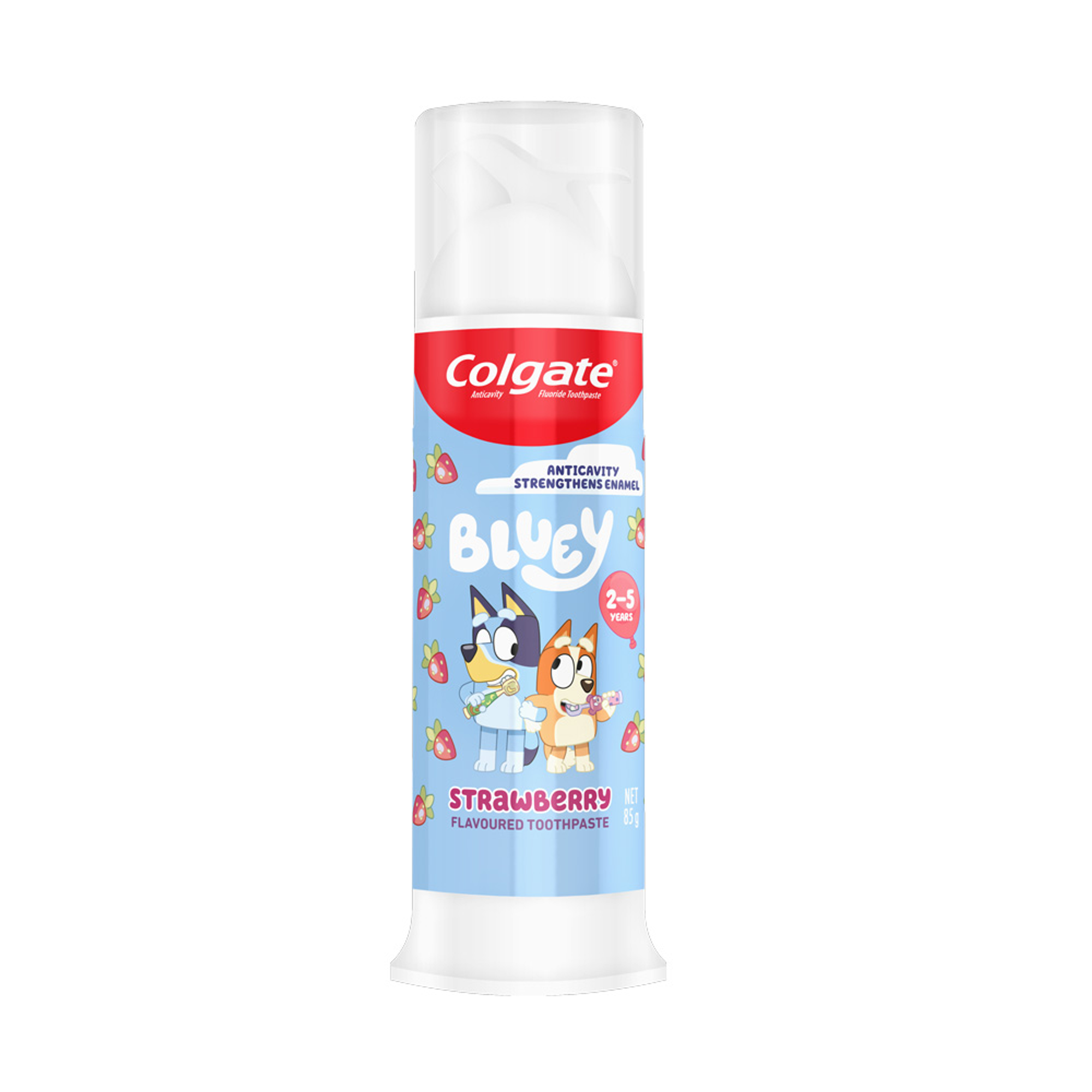
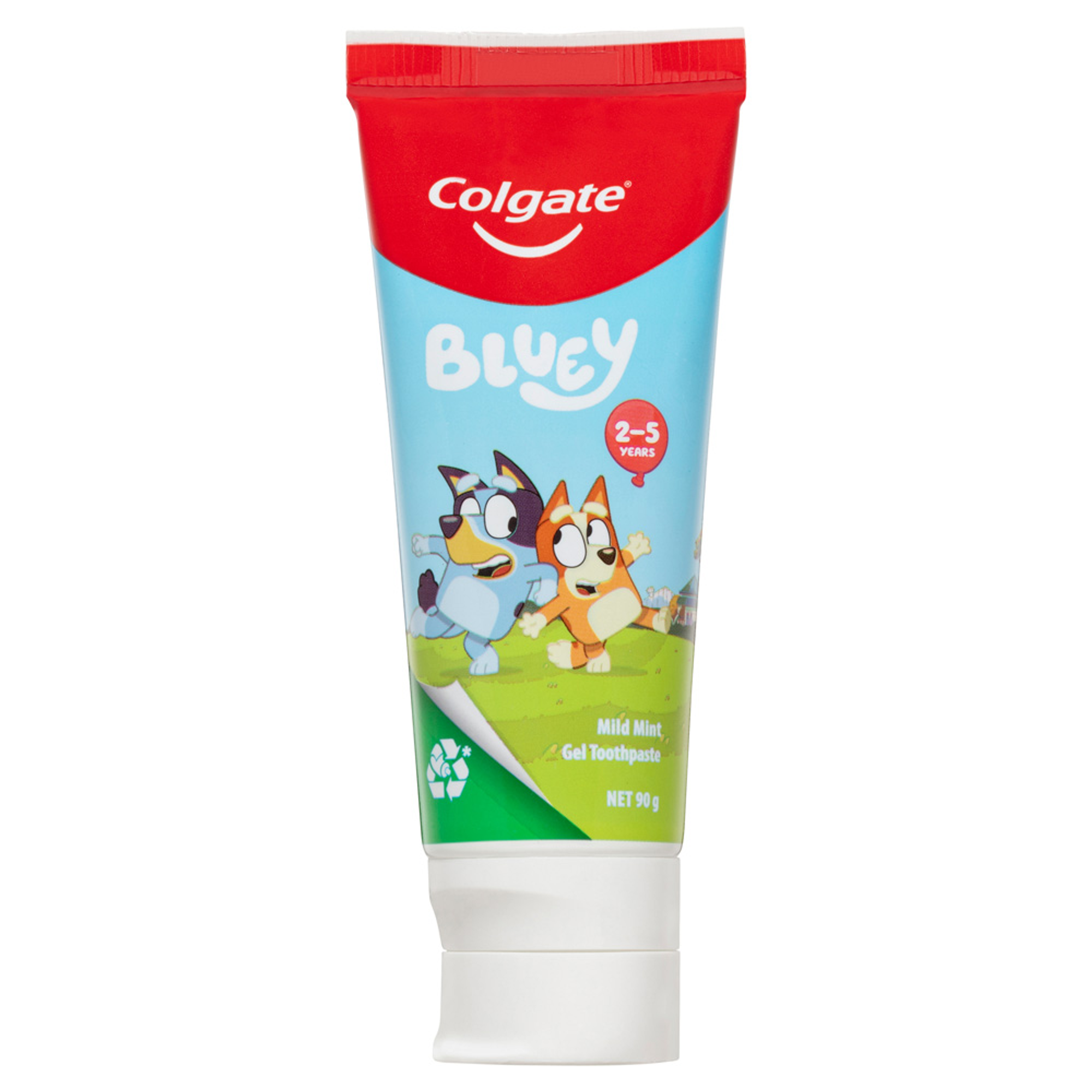
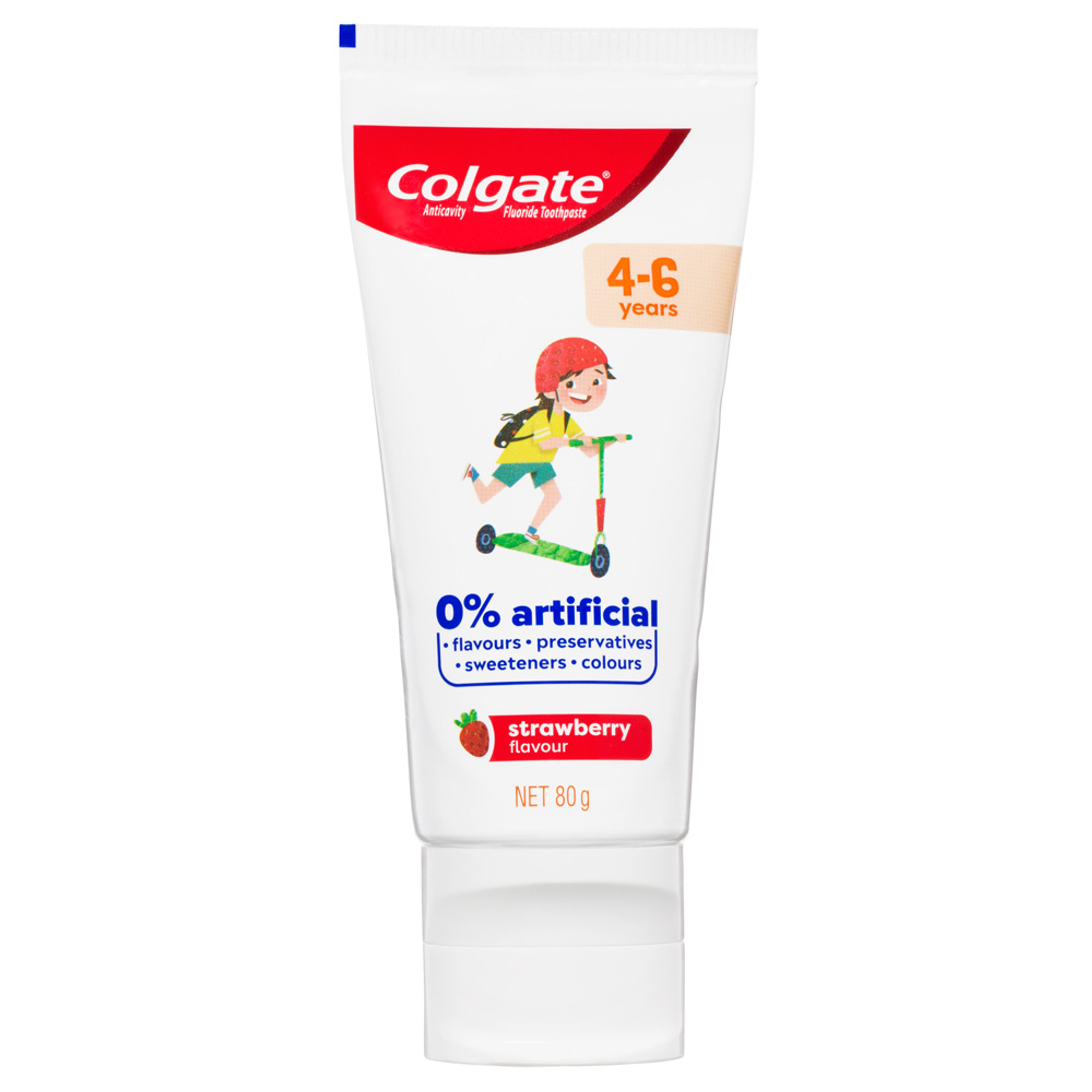
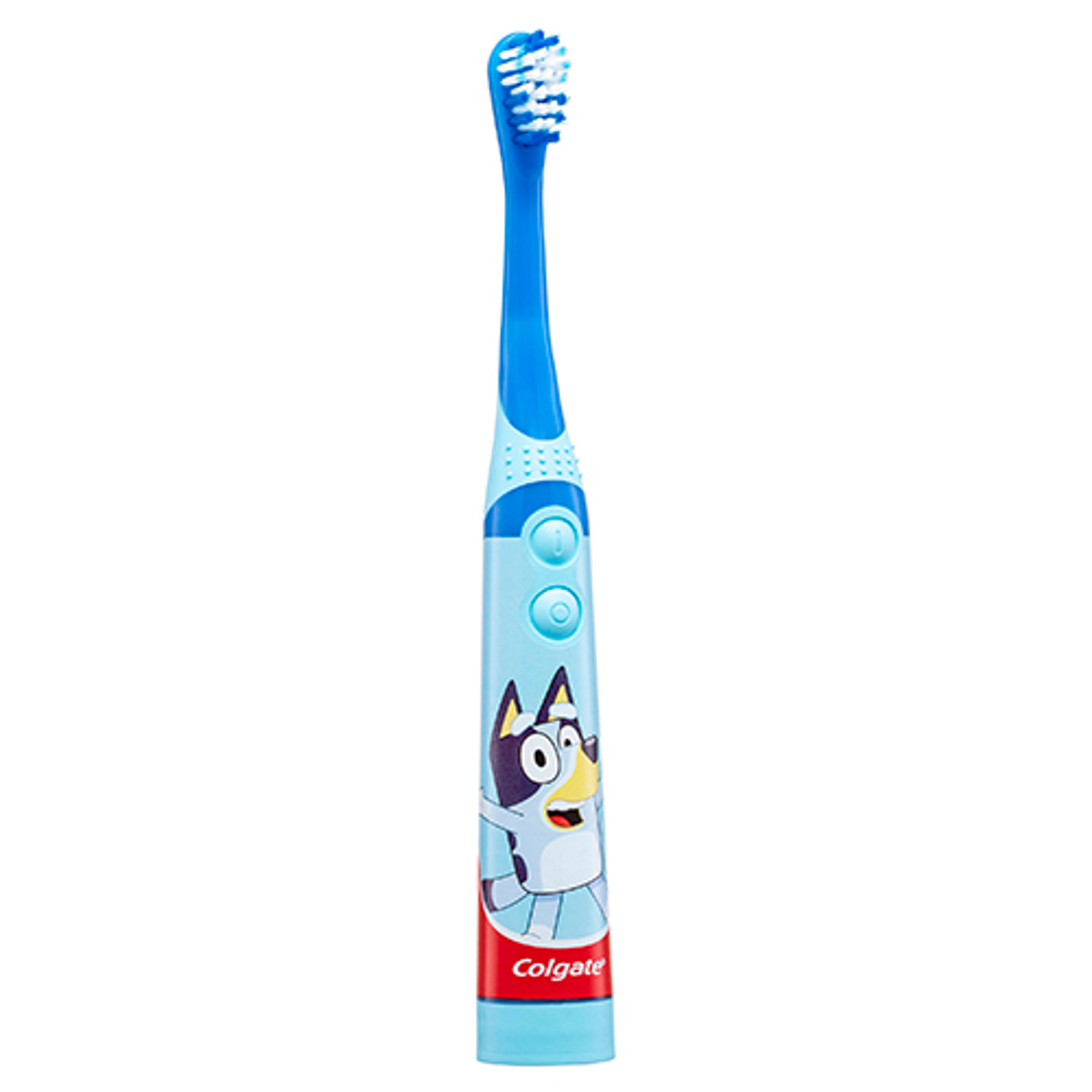
As you explore a gentle mouthwash flavour for your little one, you can make their brushing habit even more interesting. Colgate Kids offers toothpastes with a gentle anticavity formula for kids and soft toothbrushes featuring their favourite colours, flavours and characters. The right tools can make their oral care habits fun and consistent, while protecting against cavities and plaque buildup.
You may introduce a kids mouthwash into your child's daily routine, especially if a dentist recommends it. It can fit smoothly alongside brushing and flossing and complement them. Here is how to include a mouthrinse in your kid's dental care regimen:
Brush: Make sure your child brushes teeth twice daily. Use a kid-friendly fluoride toothpaste to protect their teeth.
Floss: Cleaning between teeth and along the gumline is important. It removes plaque from areas where the toothbrush cannot reach.
Use Mouthwash: If a dentist has suggested a fluoride rinse, use it at a different time from brushing and as directed. This allows the fluoride in the toothpaste to work on the teeth without being washed away.
Supervise: Watch your child when using the mouthwash. Make sure they rinse correctly and spit it out without swallowing.
Use a Soft Toothbrush: Look for a compact brush head that fits your kid's mouth easily. Choose soft bristles to clean their teeth and gums gently without hurting. Knowing how to choose the right toothbrush for toddlers based on age and oral care needs can help.
A kids mouthwash can be an extra step to support healthy teeth and gums. However, it is not essential and may not suit all children alike. Regular brushing and flossing are the most essential oral care habits. Mouthwash use is safe when a child learns to spit it properly and when advised by a dentist. A dentist can suggest what type of mouthwash is best for your kid. As an add-on to daily oral care habits and regular dental checkups, a mouthwash can help protect your child's healthy smile.
This article is intended to promote understanding of and knowledge about general oral health topics. It is not intended to be a substitute for professional advice, diagnosis or treatment. Always seek the advice of your dentist or other qualified healthcare provider with any questions you may have regarding a medical condition or treatment.